

The Hottest Products to Import From India in 2026
Below are the best selling Indian products and the hottest Indian imports from India, with large growth potential and significant market potential:
- Regional Handicrafts (US$ 3.9 billion for 2025)
- Jewelry and Precious Stones (US$25 – $26 billion for 2025)
- Organic Supplements and Medicines (US$700 – $750 million in 2025)
- Leather Products (US$3.1-3.3 billion in 2025)
- Homeopathy Medicines (US$700 – $750 million in 2025)
- Ceramics (US$4 billion in 2025)
You do not need an import licence to import any of these products and clear UK customs.
India’s Exports Have Never Been Better Than In 2026

India’s 2025 export story continues to reflect resilience and adaptability in a complex global environment. In the 2024–25 fiscal year, India posted a record US $824.9 billion in total goods and services exports, up about 6 % from US $778.1 billion in 2023–24, driven by strong performances in services and key merchandise segments.
New Free Trade Agreements UK Customs and EU
1. India–UK FTA — Completed (2025)
Status: The India–UK Comprehensive Economic and Trade Agreement (CETA) has been finalised and signed. It was concluded on 6 May 2025 after more than three years of negotiations and formally signed on 24 July 2025 during Prime Minister Narendra Modi’s visit to London.
Next steps: The agreement now moves toward ratification by the UK Parliament and domestic approvals. Implementation is expected to take up to 15 months, meaning full tariff elimination likely begins in late 2026–2027.
Key impacts:
- Sectors such as textiles, apparel, pharmaceuticals, leather, footwear, gems & jewellery, and auto parts stand to benefit substantially.
- Tariffs on about 99 % of Indian exports to the UK will be eliminated over time.
- Duty cuts on UK goods into India will also increase market access.
2. India–EU FTA
- Advanced negotiations ongoing
- Target completion: late 2025 / early 2026
- Key focus: market access, non-tariff barriers, regulatory alignment
India–Australia ECTA
- Operational since December 2022
- Expanding focus on agriculture, digital trade, and green technologies
India–Canada CEPA
- Negotiations paused / on hold
- No active timeline for resumption
India–Israel FTA
- Negotiations ongoing
- Target completion: 2025–2026
- Focus sectors: technology, defense, agriculture
India–EFTA TEPA
- Scheduled to enter into force: 1 October 2025
- Covers Switzerland, Norway, Iceland, Liechtenstein
- Includes trade and investment commitments
India–Oman CEPA
- Signed: 18 December 2025
- Duty-free access for most Indian exports expected in 2026
Other emerging talks
Early-stage negotiations with Chile and Peru
GCC FTA framework under discussion
Benefits of Importing from India
Importing from India can offer numerous benefits to businesses in the UK. Here are some of the advantages of importing from India:
- Competitive Pricing: One of the most significant advantages of importing from India is the competitive pricing. Thanks to low labor costs, Indian products are often more affordable than those from other countries, allowing UK businesses to maximize their profit margins.
- Diverse Product Range: India is a major exporter of a wide array of products, including textiles, machinery, consumer electronics, and pharmaceutical products. This diversity means that UK businesses can find almost any product they need, making India a one-stop-shop for various import needs.
- High-Quality Products: Indian manufacturers are known for producing high-quality products that meet international standards. Whether it’s intricate jewelry, durable leather goods, or effective organic supplements, you can trust that Indian products will satisfy your quality requirements.
- Government Support: The Indian government offers various incentives and support to exporters, which can indirectly benefit UK importers. These incentives can lead to better pricing, improved product quality, and more reliable supply chains.
- Growing Economy: India’s rapidly growing economy presents numerous opportunities for UK businesses. As India’s middle class expands, so does the demand for imported goods, creating a symbiotic relationship where both Indian exporters and UK importers can thrive.
Import Regional Traditional Handicrafts From India
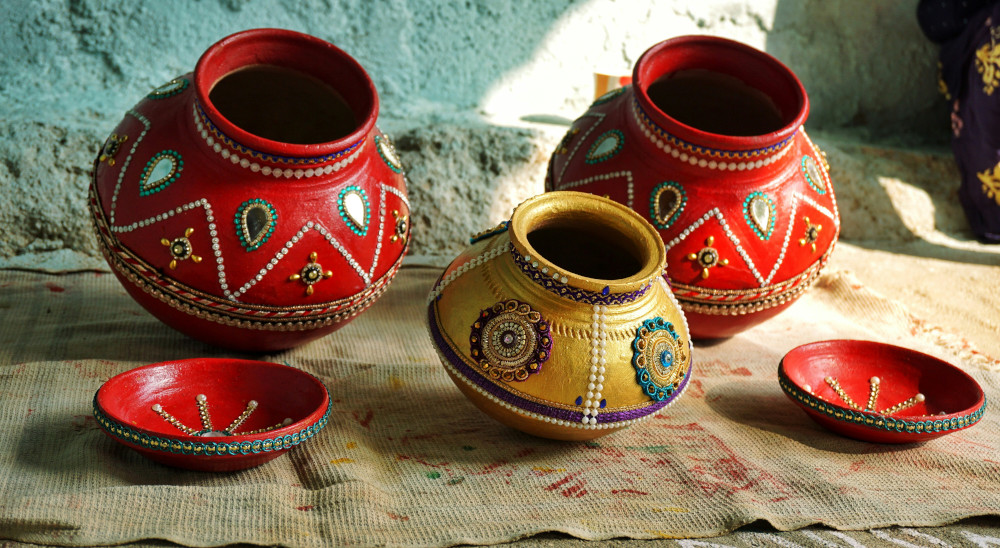
India is known as the largest exporter of traditional handicraft items among all other developing countries.
India’s handicraft exports continue to grow steadily, with provisional export figures showing about US $3.9 billion in FY25 (April 2024–March 2025) and further momentum into late 2025 as global demand rises. This reflects broader increases from ~US $3.29 billion in 2023–24 and steady international market expansion.
The most popular handicrafts are:
- Indian Home Decoratives
- Handmade Sarees, other hand made products
- Furniture, home textiles, and homeware
The top 10 export destinations are the US, the UK, the UAE, Germany, France, Latin American countries (LAC), Italy, the Netherlands, Canada and Australia.
Jewelry and Precious Stones Are Big Business
India’s gems & jewellery exports, which were previously around US $17.17 billion (Apr–Oct 2024), stood at roughly US $25–26 billion for the full FY25 export year based on provisional data and recovery trends in late 2025. Growth late in the year also suggests a rebound in key markets like China, Hong Kong and the Middle East.
Market trends and economic factors such as high interest rates in the U.S. and slow economic recovery in China have significantly impacted this sector.
The Government of India is aiming for $70 billion in jewellery exports in the next five years.
Hong Kong and UAE are among the largest export destinations for India at US$ 9.3 billion and US$ 5.7 billion in exports contributing about 23.7% and 14.5% of the total exports.
Organic Supplements, Ayurvedic and Herbal Products a Growing Market
Herbal, Ayurvedic and organic health product exports continue expanding with global wellness trends. From about US $651 million in 2023–24, 2025 estimates rise into the US $700–750 million range, reflecting healthy uptake in Europe, North America and Southeast Asia.
The rising health trends and consumer demand for natural and organic products have significantly boosted the market for these items.
Organic products include original harvested honey, fruit juices, herbs, and Ayurveda products. In large demand throughout the world and western countries specifically, due to the rise of yoga and Ayurveda. Sold at high prices abroad you can have make a healthy profit from exporting these products.
The growing interest in a healthy lifestyle, natural food supplements and alternative medicines affects the demand for natural ingredients in Europe. This creates opportunities for exporters from developing countries.
Leather Products Are Always In Demand
India is the 5th largest exporter of leather goods and accessories in the world.
India remains a major exporter of tanned leather goods and footwear. After roughly US $2.73 billion in Apr–Oct 2024, India’s 2025 export estimate for leather products is about US $3.1–3.3 billion, as demand grows in both traditional and emerging markets.
India is the 2nd largest producer and consumer of footwear in the world, which accounts for around 13% of the world’s leather production.
India’s production capacity in the leather industry is among the highest in the world, ensuring a steady supply of high-quality products.
There is still a vast global market that India can tap into. The size of the global leather goods industry is projected to increase to US$306.1 billion by 2027 from an estimated US$241.3 billion in 2020, growing at an annualised pace of 3.5%.
Import Homeopathy Medicines
Homeopathy, or Homeopathic Medicine, is the practice of medicine that embraces a holistic, natural approach to the treatment of the sick without using any organic chemicals.
The market potential for homeopathy medicines is significant, with growing export opportunities in various countries.
Given overlap with the broader AYUSH and organic health products category, exports of homeopathic and herbal medicines — valued at US $651 million in 2023–24 — are likely US $700–750 million in 2025, benefiting from global interest in alternative and natural wellness medicines.
India exports a diverse range of products, including automobiles, pharmaceuticals, and engineering goods, highlighting its significant role in global trade. There are 59 countries and territories, which actively import Homeopathic Medicines from India, suggesting that this market is in its infancy in India.
Traditional Ceramics
Ceramics are traded all around the world. The data provided on the export analysis shows that there are almost 195 countries and territories, which actively import Ceramic from India. India is known to create some of the finest ceramics in the world, and selling Indian products like these ceramics is driven by high demand and can be very profitable to import to other countries.
The market demand for Indian ceramics is high, and the export potential is substantial, given the quality and uniqueness of these products.
India’s ceramics and allied household product exports reached about US $3.77 billion in Apr–Oct 2024. For full‑year 2025, a reasonable estimate is US $4.0–4.2 billion, with steady global demand for decorative and functional ceramic products..
Textile Products: A Major Export from India
India is a significant player in the global textile industry, with a rich history of producing high-quality fabrics and garments. The country’s textile sector is a major contributor to its economy, accounting for a substantial share of its exports. The UK is one of the largest importers of Indian textile products, with a wide range of items being exported to the country.
Some of the most popular textile products exported from India to the UK include:
- Cotton fabrics and garments
- Synthetic fabrics and garments
- Woolen fabrics and garments
- Silk fabrics and garments
- Handicrafts and embroidery
These products are in high demand in the UK, and Indian exporters can capitalize on this demand by ensuring that their products meet the required quality and safety standards. The diverse range of textile products from India offers UK businesses a variety of options to choose from, making it easier to find products that suit their needs and preferences.
Importing from India: Regulations and Logistics
Importing from India requires compliance with various regulations and logistics. Understanding import regulations and logistics challenges is crucial for a smooth import process. Here are some key aspects to consider:
UK Import Regulations
- Import Licence: Depending on the type of product being imported, a licence may be required from the UK government. It’s crucial to check whether your specific goods need an import licence to avoid any legal complications. Ensuring compliance with all legal requirements is essential to avoid any legal complications.
- UK Customs: All imports from India must comply with UK customs regulations. This includes the payment of import duty and taxes, as well as ensuring that all necessary customs declarations are accurately completed. A customs agent can be invaluable in navigating these requirements.
- Economic Operators Registration: UK businesses must register with HMRC as an economic operator to import goods from India. This registration is essential for customs clearance and ensures that your business is recognized as a legitimate importer.
Shipping from India to the UK

- Air Freight: Air freight is a popular option for shipping goods from India to the UK, especially for high-value or time-sensitive products. While it may be more expensive than sea freight, the speed and reliability of air freight can be worth the extra cost. Exploring various shipping options can help you find the most cost-effective and reliable method for your needs.
- Freight Forwarder: A freight forwarder can help UK businesses navigate the complexities of shipping goods from India. They handle everything from customs clearance to logistics, ensuring that your products arrive safely and on time. Partnering with a reliable freight forwarder can simplify the import process significantly. Partnering with a reliable freight forwarder can provide effective logistics solutions for your import needs.
- Commercial Invoice: A commercial invoice is required for all imports from India. This document must include details of the goods being imported, their value, and their country of origin. Ensuring that your commercial invoice is accurate and complete is crucial for smooth customs clearance.
By understanding these regulations and logistics, you can streamline your import process and ensure that your goods from India arrive without any hitches.
Understanding UK Customs and Import Duties
When importing goods from India to the UK, it is essential to understand the customs and import duties that apply. The UK has a complex system of customs and import duties, and exporters need to be aware of the rules and regulations that govern the importation of goods.
VAT & Duty Rates
The UK imposes Value Added Tax (VAT) and duty rates on imported goods, which vary depending on the type of product and its value. Exporters need to ensure that they comply with the relevant VAT and duty rates to avoid any penalties or fines. Understanding these rates is crucial for accurate pricing and budgeting, ensuring that the import process is smooth and cost-effective.
Restricted Goods
Certain goods are restricted or prohibited from being imported into the UK, and exporters need to be aware of these restrictions. For example, goods that are considered hazardous or pose a risk to public health may be subject to additional regulations or restrictions. It is important to check the UK customs regulations and ensure that all necessary customs declarations are accurately completed. A customs agent can be invaluable in navigating these requirements and ensuring compliance with all regulations.
How To Successfully Import From India: Import Licence Requirements
The 4 Steps To Success
If you’re now thinking to get involved in the import export world and importing any of these products into your own country, I highly recommend it! Below is a personal testimonial of my experience, working 35+ years in import export. I’ve met some many great people, enjoyed my travels around the world and the satisfaction of negotiating deals and moving products around the world has been fantastic.
Conducting thorough market research and developing a solid business strategy are essential steps for success in the import-export business.
If the ideas above have inspired you, I recommend you take the next three steps.
Step 1: Know How To Source Your Products
Once you’ve decided on some products, you’ll have to source where to buy them. Finding sellers of your products is also half the fun. If you’re in a position to travel and explore, do it! It’s a great opportunity to expand your horizons. Not so easy in these times of a global pandemic but eventually we’ll be able to travel again.
Effective supplier selection is crucial to ensure product quality and reliability.
If you can’t travel, there’s always Google, AliBaba and AliExpress. This can be a great place to start. For more ideas and an much more in-depth look into sourcing products, check out our blog in sourcing products internationally.
Another advantage to these products is they’re small enough to get product samples easily, either by travelling to India and bringing them to other countries or by buying online and having the goods shipped.
Once you’ve found your new supplier, you’re going to need an EORI number for products to clear UK customs and a freight forwarder so make sure you know how to set this up.
Step 2: Know How To Finding Buyers
Perhaps the biggest question is inevitably, how do I find buyers for my products?
This is without doubt the most common question that I’m asked. Well, the good news is, there’s more than one way to do this. The bad news is, there’s no “easy” way. It’s all going to take some hard work and perseverance but it can most certainly be done and some good profits are no doubt waiting for you.
Understanding market demand and developing a robust sales strategy are key to finding buyers for your products.
For my biggest hints and tips after a lifetime in commercial buying and selling check out our blog post on finding buyers.
Step 3: Make Sure You Understand the Basics
You’re going to need to understand at a minimum, the basics of import and export. Don’t jump in and start buying products, hoping to sell them by crossing your fingers. You’ll lose money, time and cause yourself a lot of stress.
Familiarizing yourself with trade regulations and business fundamentals is essential for a successful import-export venture.
To start, have a read of our blog post, How To Start an Import Export Business. It’s only the bare minimum but it will give you an idea of what you need to start thinking about and you’ll pick up some handy tips that I learned over the year.
Step 4: Import Export Training Courses Online
If you’re still sold on the idea of trading internationally, I can only advise you to educate yourself. It’s going to save you a lot of pain! Our online import export courses are taught with a series of pre-recorded videos so you can start any time, study at your own pace and there’s no deadline to complete.
Investing in professional development and gaining industry knowledge can significantly enhance your import-export business skills.
Our courses teach you the practical knowledge you’ll need to know to trade successfully, confidently whilst maximising your profits. Taught by Alan Bracken, with 35+ years of commercial experience in logistics, he skips all the theory you’ll never need to know but teaches you the practical side of how to move your goods around the world.
Check out our reviews on TrustPilot to see just how our courses have benefited our students.
Finding and Choosing Indian Suppliers
Finding and choosing the right Indian supplier is crucial for any business looking to import goods from India. Here are some tips for finding and choosing a reliable Indian supplier:
- Research Online: Use online directories and marketplaces to find potential suppliers. Websites like Alibaba and IndiaMART can be excellent resources for identifying reputable suppliers.
- Attend Trade Shows: Attend trade shows and exhibitions to meet potential suppliers in person. These events provide an opportunity to see products firsthand and establish direct relationships with suppliers.
- Check for Certifications: Look for suppliers who have certifications such as ISO 9001 or CE marking. These certifications indicate that the supplier adheres to international quality standards.
- Check for Reviews: Check online reviews and testimonials from other customers to get an idea of the supplier’s reputation. Positive reviews and feedback can provide assurance of the supplier’s reliability and product quality.
- Contact the Supplier: Contact the supplier directly to ask questions and get a sense of their communication style. Effective communication is key to a successful business relationship, and it is important to ensure that the supplier is responsive and transparent.
By following these tips, businesses can find and choose a reliable Indian supplier who can provide high-quality goods at competitive prices. Establishing a strong relationship with a trustworthy supplier is essential for successful international trade and can lead to long-term business growth.